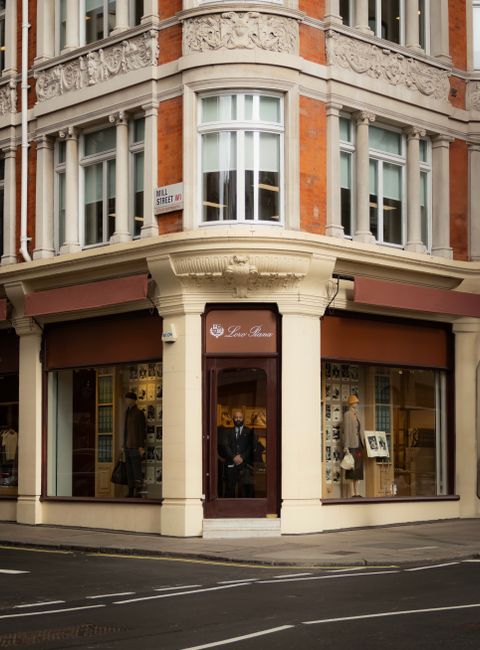
Insider tips on office cleaning near Sloane Street Belgravia
If you manage an office near Sloane Street in Belgravia, you already know the cleaning brief is rarely simple. The building might be elegant but awkward. The schedule might be tight. The reception area has to look flawless at 8:45 a.m., and the meeting room somehow needs to survive a full day of foot traffic, coffee rings, print-room dust, and the occasional wet umbrella. This guide brings together practical, insider tips on office cleaning near Sloane Street Belgravia so you can keep standards high without making the process harder than it needs to be.
We'll cover what matters most, how professional office cleaning usually works, where businesses often go wrong, and what to ask for if you want consistently better results. You'll also find a useful checklist, a comparison table, and a few real-world observations from the kind of office cleaning decisions people often make in central London. Let's keep it grounded and useful.
Contents
- Why office cleaning near Sloane Street Belgravia matters
- How the cleaning process works
- Key benefits and practical advantages
- Who this is for and when it makes sense
- Step-by-step guidance
- Expert tips for better results
- Common mistakes to avoid
- Tools, resources and recommendations
- Law, compliance and best practice
- Options and methods comparison
- Case study or real-world example
- Practical checklist
- Conclusion
- Frequently asked questions
Why Insider tips on office cleaning near Sloane Street Belgravia Matters
Office cleaning in this part of London is not just about making things look tidy. Around Sloane Street, expectations are usually higher, the pace is brisk, and the client-facing impression matters a lot. A spotless workspace can help an office feel calm, organised, and quietly professional. A missed bin bag, dusty skirting board, or streaky glass panel can do the opposite in about five seconds. Truth be told, people notice more than they admit.
There's also the practical side. Many offices in Belgravia and nearby streets deal with a mix of staff movement, deliveries, visitors, and shared building access. That means cleaning has to be consistent, discreet, and adapted to the space. It's rarely a one-size-fits-all job. A small consultancy, a private office, a medical-adjacent professional suite, and a busy managed workspace all need different routines, different timings, and different levels of detail.
For businesses comparing cleaning providers, the main challenge is separating genuine quality from polished promises. This is where insider tips help. You want to know what should be included, what can be adjusted, and how to judge whether a service is actually helping your office run better. If you're also weighing up broader support such as commercial cleaning or more focused office cleaning, it helps to think in terms of outcomes rather than just tasks.
How Insider tips on office cleaning near Sloane Street Belgravia Works
The process usually starts with understanding the layout and usage patterns of the office. A cleaner can't prioritise properly until they know which areas take the most abuse. Reception, kitchenettes, washrooms, meeting rooms, desk zones, and entry points all behave differently. A reception desk may need daily polishing and dust control; a meeting room may need rapid reset support after each use; a communal kitchen may need hygiene-focused attention that stops spills becoming smells. Nobody wants that stale coffee note hanging around by Thursday afternoon.
Next comes the schedule. Most offices near Sloane Street benefit from cleaning outside core working hours, often early morning or after business close, although that depends on access, security, and staff patterns. Some businesses need daily service. Others do better with a regular weekly routine plus a one-off deeper clean from time to time. If your office has carpets, upholstery, or heavier traffic, you may also need supportive services such as carpet cleaning or window cleaning at intervals rather than expecting the standard daily clean to cover everything.
Then there's the cleaning scope itself. A good provider should separate routine tasks from periodic tasks. Routine tasks keep the office presentable. Periodic tasks tackle build-up, hygiene risk, and wear. For example, wiping desks and emptying bins is maintenance. Deep-cleaning behind appliances or refreshing high-touch areas is different. That distinction matters because many complaints come from mismatched expectations, not bad cleaning.
If you want to be really savvy, ask how the team handles site notes, access instructions, consumables, and reporting. The best setups are boring in the nicest possible way: the same standards, the same sequence, and no surprises. Well, apart from the occasional Monday.
Key Benefits and Practical Advantages
The most obvious benefit is presentation. Clean offices look more credible to visitors, landlords, clients, and staff. But there's a deeper advantage: cleanliness reduces friction. People spend less time avoiding sticky counters, moving papers off dusty surfaces, or hunting for somewhere clean to eat lunch. That sounds small. It isn't.
Here are the practical gains businesses usually care about most:
- Better first impressions: a polished entrance and fresh-smelling common areas set the tone straight away.
- More consistent hygiene: regular attention to touchpoints, washrooms, and shared surfaces supports a cleaner working environment.
- Less visible wear: careful maintenance helps protect carpets, upholstery, flooring, and fittings.
- Improved staff comfort: people generally work better in spaces that feel cared for and organised.
- Lower cleaning chaos: a planned routine avoids last-minute scrambles before client visits or internal events.
There is also a subtle but important operational benefit: predictable cleaning saves management time. If the cleaner knows what "done properly" looks like, you spend less time chasing things and more time running the office. That alone is reason enough for many firms to tighten up their cleaning brief.
For offices with flexible usage, pairing routine cleaning with occasional deep cleaning can be especially effective. It stops grime from creeping in gradually, which is usually how standards slip without anyone quite noticing.
Who This Is For and When It Makes Sense
This topic is relevant to office managers, facilities coordinators, executive assistants, property managers, and business owners who want a reliable standard without overcomplicating the job. It also matters if you're responsible for an office move, a new lease, or a fresh setup where the space needs to be presentable from day one. In those cases, a move-in cleaning approach can be surprisingly useful, even in a commercial setting, because it gives you a proper starting point rather than cleaning around someone else's mess.
You may need this guidance if any of the following sounds familiar:
- staff are complaining that desks, kitchens, or washrooms are not being maintained properly;
- the office looks fine at first glance but feels tired by midweek;
- clients or visitors pass through often and the standard needs to stay high;
- you have mixed-use rooms that demand different cleaning frequencies;
- you're comparing providers and want to ask sharper questions;
- you've had an after-builders phase, refurbishment, or layout change and need a reset.
That last point is easy to miss. After maintenance work, even a small amount of dust can travel farther than you'd expect. If your office has just had repairs or fit-out work, an after builders cleaning service may be the right first move before settling into a regular routine.
To be fair, not every office needs the same level of intervention. A quiet private practice will have different needs from a legal suite with regular client traffic or a project team using shared desks. The trick is to match the service to the reality of the space, not to the brochure version of it.
Step-by-Step Guidance
If you want office cleaning near Sloane Street Belgravia to run smoothly, it helps to set it up methodically. Here's a practical route that works well in the real world.
- Map the space. List every zone that matters: reception, workstations, kitchens, toilets, meeting rooms, storage, and entry points. A simple floor-by-floor or room-by-room note is enough.
- Separate daily, weekly, and periodic tasks. Daily tasks are the basics. Weekly tasks cover build-up. Periodic tasks deal with carpets, upholstery, windows, and other less frequent jobs.
- Decide the best cleaning window. Early morning, late evening, or staggered daytime service can each work. Pick the option that least disrupts security, staff, and client flow.
- Identify priority touchpoints. Handles, switches, tabletops, counters, kettle areas, taps, and lift-call zones often need careful handling. They are easy to forget, naturally.
- Set standards in plain English. Write brief instructions that say what "acceptable" looks like. Avoid jargon where possible.
- Confirm access and safety details. Keys, alarms, entry codes, waste disposal, and restricted areas should be covered before the first visit.
- Review after the first few cleans. A short check-in can uncover small issues before they become recurring problems.
One very practical detail: make sure the site instructions are as simple as possible for the people actually cleaning. Long documents are fine for records, but the daily working note should be clear, short, and easy to follow when the cleaner arrives at 6:30 a.m. and the corridor lights are still a bit dim.
Expert Tips for Better Results
The strongest results usually come from a few disciplined habits rather than fancy products. In our experience, the best office cleaning setups are the ones that are quietly specific.
1. Protect the "high-visibility" areas first. Reception, entrance glass, meeting tables, and washrooms shape perception quickly. If time is tight, these should not be treated as optional extras.
2. Rotate deep-clean tasks instead of ignoring them. Skirting boards, behind furniture, chair bases, under storage units, and the edges of carpets are where slow build-up hides. Rotate them into the schedule.
3. Ask for consistency, not just speed. A clean done too fast can miss the places that actually matter. A slightly slower, more thorough routine is usually better than a glossy promise that falls apart by Wednesday.
4. Use the right specialist support when needed. If chairs or soft furnishings are looking tired, a targeted service like upholstery cleaning can improve the whole room without replacing anything. Same with a stubborn sofa in a breakout area: sometimes a focused clean makes more sense than a new purchase.
5. Keep consumables and cleaning products separate from the brief. If your office supplies soap, bin liners, tissues, or paper towels, record exactly who replenishes what. Minor confusion here causes disproportionate irritation. Funny how that works.
6. Build in seasonal reality. Wet weather brings more grit, damp umbrellas, and floor marks. Summer brings more dust and open-window debris. It's a small thing, but the schedule should shift a bit with the weather.
7. Don't ignore shared building areas. For offices in managed or multi-tenant buildings, lift landings, corridors, and communal touchpoints affect the perception of the whole space. If those areas are part of your responsibility, consider whether communal area cleaning should be included in the overall plan.
8. Make the handover easy. A cleaner who knows where the bins are, which desk is sensitive, and which room is always locked will usually do a better job. Simple briefing. Big difference.
Common Mistakes to Avoid
Most cleaning frustrations are preventable. The same issues crop up again and again, and they're usually down to planning rather than effort.
- Being vague about expectations. "Clean the office" is too broad. Break it down.
- Assuming all cleaners interpret standards the same way. One person's "done" is another person's "needs another pass".
- Skipping a periodic clean. This leads to the dreaded slow decline. Dust builds, carpets dull, and the office starts to feel older than it is.
- Forgetting special materials. Stone, polished wood, glass partitions, and soft seating all need different treatment.
- Trying to solve everything with one routine. Daily cleaning is not a substitute for more detailed work.
- Not checking access logistics. A brilliant service plan is useless if the cleaner cannot get in on time.
One mistake deserves special mention: underestimating how fast kitchen and washroom issues spread in a busy office. A small spill, a missed wipe, or a bin that sits too long can change the feel of the whole floor. Not glamorous, but absolutely true.
Another common issue is the "invisible until it isn't" problem. Everything seems fine until a client is due, the light catches the glass, and suddenly every fingerprint is having a moment. Best not to wait for that.
Tools, Resources and Recommendations
You do not need a warehouse of equipment to manage a high standard. In most offices, the essentials are straightforward. What matters is using them properly and consistently.
| Area | Best-fit approach | Why it helps |
|---|---|---|
| Reception and entrance | Daily dusting, polishing, glass touch-up | These are the first areas clients see |
| Desks and workstations | Careful wipe-down of agreed surfaces only | Protects privacy and avoids interrupting staff setups |
| Kitchenette | Sanitising touchpoints, sinks, counters, appliance exteriors | Stops odours, sticky build-up, and cross-contamination |
| Washrooms | Frequent cleaning with attention to fixtures and supplies | Maintains hygiene and a professional impression |
| Carpeted areas | Routine vacuuming plus periodic deep treatment | Helps manage dust, grit, and visible wear |
| Soft furnishings | Targeted upholstery treatment when needed | Freshens rooms without major disruption |
For offices with regular traffic, pairing standard cleaning with regular cleaning is often the most sensible route. That gives you a stable baseline, then specialist add-ons can be used only when required. If you're weighing up whether to book a one-off reset before moving into ongoing maintenance, a one-off cleaning visit can be a very practical bridge.
If your office includes larger glazed areas, polished internal windows, or street-facing glass that shows every smear, add a window plan rather than hoping the general clean will handle it all. It usually won't, at least not well enough for a Belgravia setting.
Law, Compliance, Standards, or Best Practice
Cleaning in an office setting touches on safety, access, waste handling, privacy, and product use, so a sensible approach matters. In the UK, employers and building managers generally need to think about safe working practices, suitable products, and reasonable housekeeping standards. That doesn't mean every office needs an elaborate compliance folder on day one, but it does mean the cleaning arrangement should be sensible, documented, and safe.
Useful best-practice points include:
- Health and safety awareness: cleaning should not create slip hazards, blocked exits, or trip risks.
- Clear instructions: cleaners should know which rooms are accessible, which surfaces are delicate, and what must not be touched.
- Insurance and accountability: it is wise to confirm that the provider has suitable cover and can explain how incidents are handled.
- Data and privacy awareness: office desks often contain confidential papers, devices, or client material, so cleaning around them requires care.
- Product suitability: different materials need different methods; using the wrong product can leave damage that's more expensive than the clean itself.
If you want reassurance around provider practices, it can help to review pages such as health and safety policy and insurance and safety. Those pages should help you judge whether a cleaning company takes risk seriously, rather than treating it as an afterthought.
From a best-practice angle, the most useful habit is simple: keep a written service scope and review it when office use changes. New staff, more visitors, a new kitchen appliance, or a refurbishment can all change what "good enough" looks like. That's normal.
Options, Methods, or Comparison Table
Not every office needs the same cleaning model. The right choice depends on traffic, image, budget, and how much day-to-day support you need. Here's a practical comparison.
| Option | Best for | Strengths | Watch-outs |
|---|---|---|---|
| Daily routine cleaning | Busy offices with regular visitors | Stable presentation, easier hygiene control | Can miss slower build-up unless periodic tasks are added |
| Weekly cleaning | Smaller or lower-traffic offices | Cost-efficient, simple to manage | May not be enough for kitchens or reception areas |
| One-off reset clean | Post-refurbishment or neglected spaces | Good for a fresh start | Doesn't maintain standards on its own |
| Deep clean plus maintenance | Offices that want the best long-term result | Balances presentation and long-term care | Needs better planning, but usually worth it |
There's no single "best" model for everyone. A compact professional suite may do perfectly well with weekly service and a quarterly refresh. A larger client-facing office near Sloane Street may need daily cleaning, occasional window work, and targeted floor care. If the office also supports tenants or short-stay use, adjacent services like move out cleaning can be useful in transition periods, especially where turnover leaves the space looking patchy.
Case Study or Real-World Example
A small professional office near Sloane Street had a familiar problem: the main workspace looked acceptable in the morning, but by Thursday it felt dull, and the kitchen area was the first thing staff complained about. Nothing dramatic, just the kind of gradual drift that happens when everyone assumes someone else has it covered.
The fix was not complicated. The office manager mapped the cleaning priorities and split them into three groups: daily, weekly, and monthly. Reception, washrooms, bins, and kitchen surfaces became daily tasks. Meeting rooms and high-touch items were added to a weekly checklist. Carpets, internal glass, and soft seating were scheduled as periodic treatments. The provider was also asked to confirm what happened with access, alarms, and waste disposal.
After that, the complaints dropped sharply. Staff noticed the difference in the kitchen first, then the reception area. Visitors did too. A small thing, really, but it changed the feel of the office. The best part was that the manager stopped firefighting. The routine did the work. That's usually the goal.
The lesson is straightforward: if the space feels inconsistent, the issue is often structure, not effort. A better brief makes the whole operation calmer.
Practical Checklist
Use this checklist before finalising office cleaning near Sloane Street Belgravia.
- Have you listed every room and shared area that needs attention?
- Do you know which tasks are daily, weekly, and periodic?
- Have you agreed the best cleaning time for access and privacy?
- Are sensitive areas, locked rooms, and confidential desks clearly identified?
- Do you know who supplies consumables and who checks them?
- Have you included high-visibility spaces like reception and meeting rooms?
- Do you need specialist support for carpets, windows, or upholstery?
- Have you checked safety, insurance, and policy information?
- Is there a simple way to review performance after the first few visits?
- Have you written down what "done well" actually means for your office?
And one more, because it really matters: have you made it easy for the cleaner to do the right thing? That is often the difference between mediocre and excellent. Small practical detail. Big payoff.
Get a free quote today and see how much you can save.
Conclusion
Office cleaning near Sloane Street Belgravia works best when it is planned, specific, and grounded in the way the space is actually used. The aim is not just to look clean for a moment. It is to keep the office feeling calm, smart, and ready for work every day without turning cleaning into a constant management headache.
If you take away just a few ideas, let them be these: define the brief clearly, separate routine tasks from deeper maintenance, protect the high-visibility areas, and review the setup when the office changes. That simple framework will solve more problems than most people expect.
And honestly, once the rhythm is right, you barely think about it. The office just feels better. Quieter. Sharper. More together. Which, on a busy London day, is no small thing.
Frequently Asked Questions
How often should office cleaning near Sloane Street Belgravia be done?
It depends on foot traffic, office size, and how client-facing the space is. Busy offices usually need daily cleaning, while smaller practices may manage with weekly service plus periodic deep cleaning.
What areas should be prioritised first in an office clean?
Reception, entrances, washrooms, kitchens, meeting rooms, and any high-touch surfaces should come first. These areas shape first impressions and are often the quickest to show wear.
Is regular office cleaning enough on its own?
Not usually. Regular cleaning keeps standards up day to day, but most offices also benefit from periodic tasks such as carpet care, window cleaning, or a deeper reset now and then.
What is the difference between regular cleaning and deep cleaning?
Regular cleaning handles the routine jobs that keep an office presentable. Deep cleaning goes further, dealing with build-up, hidden areas, and more detailed work that is not practical to do every visit.
How do I choose the right cleaning frequency for my office?
Start by looking at traffic, client visits, shared facilities, and the amount of kitchen or washroom use. If the space looks tired quickly, increase frequency or add periodic specialist services.
Should office cleaning happen during business hours or after hours?
Both can work. After-hours cleaning is often easier for privacy and minimal disruption, but early morning or daytime arrangements may suit some offices better depending on access and security.
What should I ask a cleaning provider before booking?
Ask what is included, how issues are reported, how access is managed, what happens if something is missed, and whether they have clear policies on safety and insurance.
Can office cleaning include carpets and upholstery?
Yes, but these are usually better treated as specialist or periodic services. Carpets, chairs, and sofas often need extra attention beyond standard daily cleaning.
What if my office has just had renovation or fit-out work?
Then you may need an after-builders clean before regular maintenance begins. Fine dust from building work can linger in corners, on ledges, and around fixtures longer than people expect.
How can I tell if the cleaning standard is slipping?
Look for dull reception surfaces, dusty edges, stale kitchen smells, missed bins, and bathrooms that need attention earlier than usual. These are often the first signs that the routine needs adjusting.
Are communal areas part of office cleaning?
Sometimes yes, especially in managed buildings or shared workspaces. If those areas are your responsibility, it is worth including them in the cleaning scope rather than treating them as separate afterthoughts.
What is the smartest way to keep cleaning costs under control?
Be precise about what you need, avoid paying for tasks you don't use, and combine routine cleaning with targeted specialist services only where they add value. That usually gives the best balance of cost and quality.