Upholstery Cleaning in {location}: Fresh, Healthy, and Long-Lasting Furniture Care
Upholstery cleaning in {location} is one of the most effective ways to restore comfort, improve indoor hygiene, and extend the life of your favorite furniture. Sofas, armchairs, dining chairs, ottomans, and fabric headboards collect dust, body oils, pet hair, food crumbs, allergens, and everyday grime far faster than most people realize. Over time, this buildup can make even high-quality furniture look dull, feel sticky, and smell less than fresh. Professional upholstery cleaning in {location} helps remove embedded dirt while protecting the fabric, making it an essential service for homes, offices, rental properties, hospitality spaces, and anyone who wants a cleaner living environment.
Unlike simple vacuuming or spot wiping, upholstery cleaning in {location} is designed to target deep-seated contaminants. Fabric fibers can trap particles below the surface, which means regular surface cleaning only tackles part of the problem. A thorough approach uses fabric-appropriate methods such as hot water extraction, low-moisture cleaning, or dry upholstery cleaning depending on the material. The result is not just a visibly cleaner sofa or chair, but also a healthier and more inviting space for family, guests, employees, and customers.
For many households, furniture is among the most used and most expensive items in the property. That is why upholstery cleaning in {location} should be seen as preventive care rather than an occasional luxury. It can reduce allergens, improve air quality, remove stubborn stains, and slow down wear caused by dirt abrasion. If you want furniture that looks good, feels comfortable, and lasts longer, investing in the right upholstery cleaning service is a smart decision.
Why Upholstery Cleaning Matters for Homes and Businesses
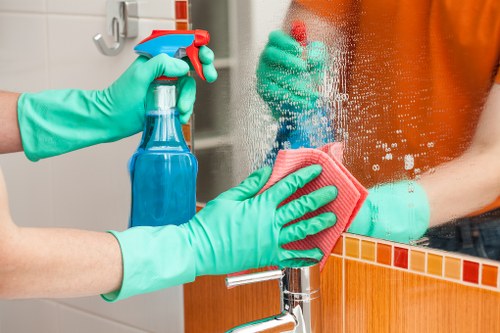
Furniture experiences constant contact. Every time someone sits down, crumbs, dust, skin cells, and oils transfer to the fabric. In homes with children or pets, the buildup can happen even faster. Upholstery cleaning in {location} helps address these everyday contaminants before they become deeply embedded in the fibers. This not only improves appearance, but also supports a cleaner and more pleasant indoor environment.
Businesses benefit too. Offices, waiting rooms, hospitality venues, and rental properties rely on clean furniture to make a positive first impression. Dirty or stained seating can affect how customers perceive the cleanliness and professionalism of the entire space. Regular upholstery cleaning in {location} helps maintain a polished look while reducing odors and allergens that may accumulate in shared seating areas.
In addition to visual appeal, upholstery cleaning also contributes to fabric longevity. Dirt particles act like sandpaper when people sit or move on furniture, gradually wearing down fibers. Professional cleaning removes these particles, helping upholstery keep its texture, color, and structure for longer. That means fewer replacements, better value, and a more comfortable space overall.
Common Fabrics Requiring Upholstery Cleaning in {location}
Natural and Synthetic Materials

Different fabrics require different cleaning methods, and understanding the material is crucial for safe and effective results. Upholstery cleaning in {location} often includes a wide range of textile types, each with unique characteristics. Cotton, linen, wool blends, microfiber, polyester, velvet, leather, and suede all respond differently to moisture, detergent, heat, and agitation.
Cotton and linen are breathable and popular for their soft feel, but they can stain easily and may require careful treatment to avoid shrinkage or water marks. Microfiber is durable and widely used in family homes, yet it can hold oils and dirt in its tight weave. Polyester and synthetic blends tend to be more forgiving, but they still need proper cleaning to remove grime and preserve color.
Leather is a special case. While not technically fabric, it is often included in upholstery cleaning services because it needs regular conditioning and gentle soil removal. Without proper care, leather can dry out, crack, or lose its finish. A knowledgeable upholstery cleaning provider in {location} will identify the material first and choose a method that protects the surface rather than risking damage.
Fabric-Specific Care Considerations
- Check manufacturer labels before cleaning.
- Test cleaning solutions on a hidden area.
- Avoid excess moisture on delicate fabrics.
- Use fiber-safe stain removal techniques.
- Apply conditioning for leather when needed.
What Professional Upholstery Cleaning in {location} Usually Includes
Step-by-Step Service Process

Professional upholstery cleaning in {location} generally follows a structured process to ensure both safety and quality. The first step is inspection. A technician examines the furniture to identify fabric type, stains, odors, wear patterns, and any areas that need special attention. This assessment determines the best cleaning approach and helps avoid unnecessary damage.
Next comes pre-vacuuming or dry soil removal. Removing loose debris is essential because it prevents grit from being worked deeper into the fabric during cleaning. After that, technicians may pre-treat stains, apply a fabric-safe solution, and allow dwell time so embedded dirt can loosen. Depending on the upholstery, they may use steam extraction, low-moisture methods, or specialized dry cleaning equipment.
The final stage often involves residue removal and drying. A reputable upholstery cleaning service in {location} will minimize leftover moisture to reduce drying time and lower the risk of mildew. In many cases, furniture can be used again within a few hours, although drying time depends on fabric type, humidity, and the cleaning method used. The goal is always the same: clean, refreshed furniture with minimal disruption.
Typical Service Components
- Inspection and fabric identification
- Pre-vacuuming and debris removal
- Pre-treatment for stains and spills
- Deep cleaning using the appropriate method
- Odor neutralization and drying support
Benefits of Choosing Upholstery Cleaning in {location}
Beyond Appearance

There are many reasons people choose upholstery cleaning in {location}, and appearance is only part of the story. One of the biggest benefits is improved indoor air quality. Fabrics can trap dust, dander, pollen, and other allergens. When the furniture is cleaned properly, those particles are removed instead of being released back into the room every time someone sits down or shifts position.
Another important benefit is odor removal. Over time, furniture can absorb smells from pets, food, smoke, perspiration, and general household activity. These odors tend to cling to fabric fibers, making rooms feel less fresh even when they look clean. Professional upholstery cleaning in {location} can neutralize many of these smells and leave furniture with a cleaner, lighter scent.
There is also the matter of hygiene. Shared seating in offices, rental units, childcare spaces, and family homes can harbor bacteria and other contaminants if not cleaned regularly. While upholstery cleaning is not a medical procedure, it does help reduce the buildup of unwanted matter on surfaces people use every day. Cleaner furniture means a cleaner space, and that matters in any environment.
Key Advantages at a Glance
- Removes embedded dust and allergens
- Refreshes appearance and color
- Reduces odors from pets, spills, and smoke
- Helps extend furniture lifespan
- Supports a healthier indoor environment
How Often Should Upholstery Cleaning in {location} Be Done?
Recommended Cleaning Frequency
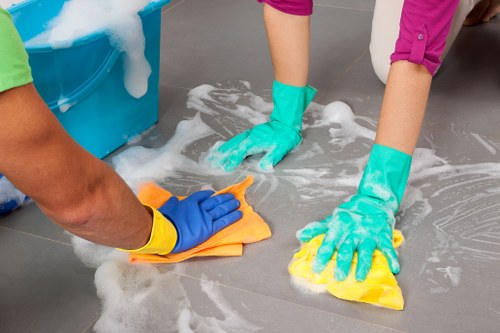
The right schedule for upholstery cleaning in {location} depends on usage, household conditions, and the type of furniture involved. In a typical home, sofas and chairs may benefit from professional cleaning every 12 to 18 months. However, if you have pets, small children, allergy sensitivities, or frequent guests, you may want to clean upholstered furniture more often.
High-traffic commercial settings usually require a more frequent schedule. Waiting areas, hotel lounges, office seating, and rental property furnishings can show wear quickly and should be maintained on a routine basis. In these environments, upholstery cleaning in {location} may be needed every few months to keep furniture presentable and hygienic.
Visible stains, lingering odors, and dull-looking fabric are clear indicators that cleaning is overdue. It is also wise to schedule cleaning before major events, after a season of heavy use, or when moving into a new property. Regular upkeep is far easier and less expensive than dealing with neglected buildup later.
Signs It’s Time to Clean
- Stains that do not respond to spot cleaning
- Persistent odors in furniture and surrounding rooms
- Visible dust, pet hair, or discoloration
- Allergy symptoms that worsen indoors
- Furniture that looks tired or feels sticky
Spot Cleaning vs Professional Upholstery Cleaning in {location}
Knowing the Difference
Many people try to handle spills themselves, and small accidents do benefit from quick action. Blotting a fresh stain, removing crumbs, and vacuuming regularly are all good habits. However, spot cleaning is not the same as full upholstery cleaning in {location}. Surface cleaning can address visible problems, but it usually does not remove deeply embedded dirt or residue inside the fabric.
DIY methods can also be risky if they involve excessive water, harsh chemicals, or scrubbing that distorts the fibers. Some stains may spread or set permanently if treated incorrectly. Professional upholstery cleaning in {location} uses controlled techniques that match the fabric and contamination level, which significantly improves the chances of successful stain and odor removal.
That said, routine home care still plays an important role. Vacuuming with a brush attachment, rotating cushions, and addressing spills promptly can keep furniture in better condition between professional visits. A balanced approach that combines regular maintenance with expert cleaning tends to deliver the best results over time.
Simple Maintenance Tips
- Vacuum upholstered furniture weekly.
- Blot spills immediately with a clean cloth.
- Avoid rubbing stains into the fabric.
- Use fabric-safe products only.
- Rotate cushions regularly to reduce uneven wear.
Stain Removal Challenges in Upholstery Cleaning in {location}
Common Problem Spots
Stains are one of the biggest reasons people seek upholstery cleaning in {location}. Coffee, wine, tea, juice, grease, makeup, ink, pet accidents, and food spills can all leave lasting marks if not treated properly. Some stains sit on the surface, while others penetrate deep into the fiber structure or padding beneath, which makes removal more difficult.
The age of the stain matters just as much as the type. Fresh spills are often easier to remove because they have not had time to oxidize or bond with the fabric. Older stains can become more stubborn, especially if they have been exposed to heat, repeated moisture, or improper cleaning attempts. A skilled upholstery cleaning technician will assess the stain and select the safest treatment method for the specific material.
It is also important to understand that not every stain can be completely erased. Some discoloration may remain depending on the fabric type, dye stability, and depth of penetration. Still, professional upholstery cleaning in {location} can usually improve the appearance significantly, making stains far less noticeable and restoring a more uniform look.
Common Stain Types
- Food and beverage spills
- Pet accidents and odors
- Grease and body oils
- Ink and cosmetic marks
- Mud and tracked-in dirt
Upholstery Cleaning Methods Used in {location}
Choosing the Right Technique
Different furniture pieces require different methods, and professional upholstery cleaning in {location} should never rely on a one-size-fits-all approach. Hot water extraction is commonly used for many durable synthetic fabrics because it flushes out soil and leaves the material deeply cleaned. This method is often referred to as steam cleaning, though the process uses hot water and extraction rather than actual steam alone.
Low-moisture cleaning methods are preferred for delicate materials or situations where fast drying is important. These techniques use less water while still loosening and removing dirt effectively. Dry cleaning methods may be chosen for certain specialty fabrics that are sensitive to moisture. Leather cleaning, meanwhile, involves gentle cleansing and conditioning rather than saturated washing.
The key to successful upholstery cleaning in {location} is matching the method to the fabric, stain type, and condition of the furniture. A professional who understands textile behavior can avoid common problems like shrinkage, color bleeding, water rings, and texture changes. That expertise is one of the biggest advantages of hiring a trained service.
Method Selection Factors
- Fabric sensitivity to moisture
- Age and severity of stains
- Presence of pet odors or allergens
- Drying time requirements
- Manufacturer cleaning recommendations
Indoor Health and Upholstery Cleaning in {location}
A Cleaner Space for Daily Living
Many people think of upholstery cleaning in {location} as a cosmetic service, but it has clear health-related benefits as well. Upholstered furniture can hold dust mites, pollen, pet dander, and other irritants that affect sensitive individuals. If someone in the home struggles with allergies or respiratory issues, regular cleaning can make a meaningful difference in day-to-day comfort.
This matters especially in bedrooms, living rooms, and home offices, where people spend extended periods of time. Soft furniture acts almost like a filter, capturing contaminants until they are removed through proper cleaning. When furniture is neglected, those contaminants can accumulate and circulate through the room. Upholstery cleaning in {location} helps reset that environment and keep it more manageable.
For commercial properties, cleaner furniture also supports a more pleasant atmosphere for staff and visitors. Fewer odors, less visible grime, and a fresher seating area all contribute to how comfortable a space feels. While upholstery cleaning does not replace other hygiene practices, it is an important part of overall interior care.
Health-Focused Benefits
- Reduces allergen buildup in fabric fibers
- Helps eliminate odor-causing particles
- Improves the freshness of shared spaces
- Supports better indoor comfort
- Compliments routine dusting and vacuuming
How to Prepare for Upholstery Cleaning in {location}
Before the Service Arrives
Preparing for upholstery cleaning in {location} is usually simple, but a little preparation can help the process go smoothly. Start by removing loose items such as blankets, cushions, toys, books, and decorative objects from the furniture and surrounding area. This gives the technician clear access and reduces the chance of accidental damage.
It is also helpful to identify any problem spots in advance. If there is a stain, odor, or fragile area you are concerned about, point it out before cleaning begins. This allows the technician to pay special attention to those areas and choose appropriate treatment methods. If possible, vacuum the furniture beforehand to remove loose debris, although many professionals will do this as part of the service.
After upholstery cleaning in {location}, follow drying instructions carefully. Avoid using the furniture until it is fully dry, and keep the room ventilated if possible. If cushions are removable, rotate them during drying to help air circulate evenly. Taking these small steps can improve the final outcome and reduce the chance of lingering dampness.
Quick Preparation Checklist
- Clear items off the furniture
- Move fragile objects out of the way
- Point out stains or trouble areas
- Plan for drying time
- Keep pets and children away during cleaning
Choosing the Right Upholstery Cleaning Service in {location}
What to Look For
Not all upholstery cleaning providers offer the same level of care, so choosing the right service matters. Look for a company that can explain its cleaning methods clearly and identify how it handles different fabrics. Experience with upholstery cleaning in {location} is especially important because local conditions, property types, and usage patterns can influence the best maintenance schedule.
Professionalism also shows in the details. A good service should inspect the furniture before beginning, discuss any limitations, and use fabric-safe products. They should be transparent about expected results, drying time, and any precautions needed for delicate materials. If a company offers a tailored approach rather than a generic process, that is usually a strong sign of quality.
Finally, choose a provider that values protection as much as cleaning. Upholstery is an investment, and the wrong technique can cause irreversible damage. When done properly, upholstery cleaning in {location} should refresh furniture without compromising the integrity of the fabric.
Questions to Ask Before Booking
- What cleaning method is best for my fabric?
- Do you pre-treat stains separately?
- How long will drying take?
- Are your solutions safe for children and pets?
- Can you handle delicate or specialty upholstery?
Why Upholstery Cleaning in {location} Is Worth the Investment
Long-Term Value and Comfort
Some people delay upholstery cleaning in {location} because they think it is only necessary when furniture looks extremely dirty. In reality, regular care prevents bigger issues from developing. Deep soil buildup, stubborn odors, and fabric deterioration are all more expensive to address once they become severe. Routine cleaning preserves the quality of the furniture and helps you get more years of use from each piece.
There is also a comfort factor that is hard to ignore. Fresh, clean upholstery makes a room feel more welcoming. It improves the overall look of a property, enhances relaxation, and creates a better experience for anyone spending time there. Whether you are maintaining a family couch or refreshing seating for clients and guests, upholstery cleaning in {location} delivers value in both appearance and function.
When you consider the cost of replacing worn furniture, professional cleaning often makes practical sense. It is a maintenance service that helps protect a larger investment. For homeowners and businesses alike, the long-term return can be significant.
Reasons the Investment Pays Off
- Extends the life of furniture
- Improves appearance and comfort
- Helps maintain a healthier indoor environment
- Reduces the need for early replacement
- Supports a positive impression in any space
Book Upholstery Cleaning in {location} Today
Refresh Your Furniture the Smart Way
If your sofas, chairs, or other upholstered pieces are starting to look tired, smell stale, or feel less comfortable than they once did, now is the time to act. Professional upholstery cleaning in {location} can restore freshness, remove buildup, and help your furniture look its best again. Whether you need care for a single beloved couch or multiple pieces across a home or business, expert cleaning can make a noticeable difference.
Do not wait until stains deepen or odors become harder to manage. Regular maintenance keeps upholstery looking better for longer and supports a cleaner indoor environment for everyone who uses the space. Contact us today or book your service now to give your furniture the care it deserves.
With the right upholstery cleaning in {location}, you can enjoy cleaner seating, better comfort, and improved confidence in the look and feel of your interior spaces. Fresh furniture changes the way a room feels, and that simple improvement can make everyday living and working much more enjoyable.