Office Cleaning in Modern Workplaces: Practical Standards, Smart Methods, and Lasting Results
Office cleaning is more than wiping desks and emptying bins. In today’s workplace, it supports productivity, protects employee health, shapes first impressions, and helps businesses maintain a professional environment. Whether you manage a small team, oversee a corporate floor, or run a shared workspace, office cleaning plays a major role in day-to-day operations.
Well-planned office cleaning helps reduce dust, germs, clutter, odors, and distractions. It also supports compliance, preserves furniture and flooring, and contributes to a better employee experience. When office cleaning is done consistently and correctly, the entire workplace feels more organized, more comfortable, and more trustworthy.
Many organizations now view office cleaning as part of their brand identity. Clean lobbies, fresh meeting rooms, sanitized surfaces, and tidy restrooms all communicate care and professionalism. In a competitive market, even small details matter, and office cleaning is one of the simplest ways to make a positive impression every day.
Why Office Cleaning Matters for Every Workplace

Office cleaning supports both visible cleanliness and hidden hygiene. A spotless workspace is easier to focus in, while regular sanitation helps lower the spread of common illnesses. Employees are more likely to feel valued when their environment is cared for, and visitors tend to trust a business that looks organized and well maintained.
There is also a financial side to office cleaning. Dirt and grime can shorten the life of carpets, upholstery, electronics, and fixtures. Dust buildup can affect air quality, while neglected spills can lead to stains or even safety issues. Investing in routine office cleaning often reduces repair and replacement costs over time.
Just as importantly, office cleaning supports workplace culture. A clean environment encourages people to be more mindful of shared spaces, which can improve cooperation and reduce friction. When everyone enters a clean office, it sets a standard that influences how the entire space is used.
Core Areas Covered in Office Cleaning
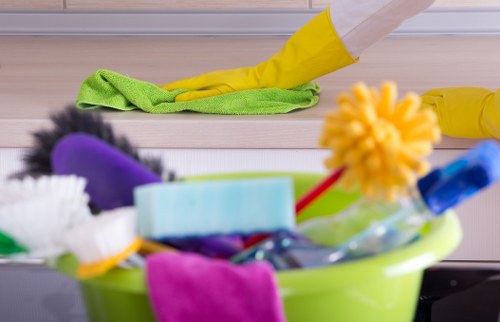
Effective office cleaning is usually built around a set of high-priority areas that need attention every day or every week. These include desks, meeting rooms, reception areas, kitchens, restrooms, hallways, elevators, and break rooms. Each space has different needs, so a one-size-fits-all approach rarely works well.
Workstations often require dusting, surface disinfection, and trash removal. Shared areas may need frequent touchpoint cleaning because they are used by many people throughout the day. Restrooms and kitchens require special attention because they are high-risk areas for germs, odors, and cross-contamination.
Office cleaning should also extend to less obvious places such as baseboards, vents, light switches, door handles, and behind furniture. These details may not always be visible at first glance, but they strongly affect how clean a space feels. Consistent attention to small details helps a workspace stay fresh longer between service visits.
Reception Areas and First Impressions
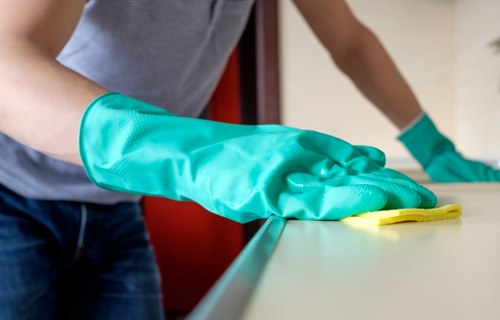
The reception area is often the first place clients, partners, and applicants see. In office cleaning, this space deserves special care because it sets the tone for the rest of the visit. Clean glass, polished surfaces, tidy seating, and a dust-free front desk all help create a welcoming atmosphere.
A cluttered or dirty lobby can send the wrong message, even if the rest of the building is spotless. That is why office cleaning plans often prioritize reception areas at the beginning of each shift. Floors should be vacuumed or mopped, fingerprints removed, and trash emptied before the first guest arrives.
It also helps to keep decorative items, brochures, and display shelves organized. Simple visual order supports a sense of professionalism. When the entrance area looks polished, the entire business benefits from a stronger first impression.
Daily, Weekly, and Monthly Office Cleaning Tasks
Creating a practical cleaning rhythm

Office cleaning works best when tasks are organized by frequency. Daily cleaning usually includes trash removal, wiping high-touch surfaces, sanitizing bathrooms, cleaning break areas, and maintaining entryways. These tasks keep the workplace presentable and reduce the spread of dirt and germs.
Weekly office cleaning might include deeper dusting, vacuuming under desks, cleaning glass, disinfecting shared equipment, and refreshing carpets in busy zones. Monthly tasks can involve more intensive work such as machine scrubbing floors, detailed upholstery cleaning, or high-level dust removal.
A structured schedule creates consistency. Instead of cleaning only when the office looks messy, planned office cleaning keeps standards steady. Predictable routines also make it easier to assign responsibilities, track quality, and make sure no area is overlooked.
- Daily: touchpoint disinfection, trash removal, restroom cleaning
- Weekly: dusting, floor care, kitchen sanitation, glass cleaning
- Monthly: deep cleaning, carpet treatment, detailed fixture care
Office Cleaning and Employee Health
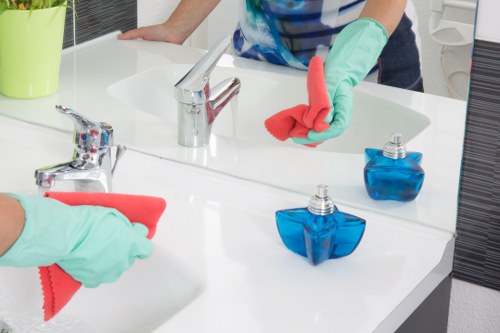
One of the strongest reasons to invest in office cleaning is health protection. Shared workplaces can spread bacteria and viruses quickly through desks, keyboards, phones, handles, and communal surfaces. Frequent office cleaning reduces buildup on these contact points and helps create a more hygienic space.
Indoor air quality also matters. Dust, allergens, and mold can accumulate if cleaning is inconsistent, especially in older buildings or spaces with heavy foot traffic. Office cleaning that includes vacuuming with HEPA filtration, dust removal, and proper waste management can support better breathing comfort for staff and visitors alike.
Employees generally feel more comfortable working in an environment that looks and smells fresh. Cleaner restrooms, sanitized kitchens, and neat shared rooms can reduce stress and improve morale. In that sense, office cleaning is not just about appearance; it is a wellness support measure that contributes to everyday performance.
Choosing the Right Office Cleaning Approach
Every workplace has different cleaning needs, and the best office cleaning approach depends on size, layout, traffic, and business type. A small office with ten employees will not require the same routine as a multi-floor corporate center or a busy coworking environment. The key is to match the service level to actual use.
Some businesses prefer in-house office cleaning with internal staff, while others outsource to professional cleaners. In-house teams can offer close oversight and quick response, while professional services bring specialized tools, trained staff, and scalable schedules. Both models can work well if expectations are clearly defined.
It is also important to think about flexibility. Office cleaning should adapt to changing occupancy, seasonal illness trends, special events, and business growth. A building that hosts client meetings every day may need more frequent service than one used mostly for remote work support. Flexible planning helps keep standards high without wasting resources.
Questions to ask before setting a cleaning plan
- Which areas are used most heavily each day?
- Are there high-touch surfaces that need frequent disinfection?
- Do employees share desks, kitchens, or devices?
- How often are guests or clients visiting?
- Are there special flooring, glass, or upholstery materials to protect?
Green Office Cleaning and Sustainable Practices
Many businesses are now choosing greener office cleaning practices. Eco-friendly cleaning uses products and methods designed to reduce environmental impact while still maintaining strong hygiene standards. This can include low-toxicity solutions, microfiber cloths, concentrated formulas, and better waste reduction habits.
Sustainable office cleaning can also improve indoor comfort. Harsh chemical odors can be unpleasant in enclosed spaces, especially when offices are occupied throughout the day. By choosing safer products and proper ventilation, businesses can create a more pleasant environment for everyone.
Green office cleaning is not only about chemicals. It also involves using water efficiently, reducing disposable materials, recycling where possible, and extending the life of furniture and flooring through correct maintenance. Responsible cleaning habits are increasingly important to organizations that want to align operations with sustainability goals.
Examples of eco-friendly office cleaning methods
- Using microfiber tools that capture dust more effectively
- Choosing biodegradable or low-VOC cleaning products
- Reducing single-use wipes where reusable systems are suitable
- Scheduling cleaning efficiently to lower water and energy waste
- Recycling paper, cardboard, and approved office materials
Common Mistakes to Avoid in Office Cleaning
Even with good intentions, many workplaces make mistakes that reduce the quality of office cleaning. One of the most common issues is focusing too much on visible spaces while ignoring hidden or high-touch areas. Another mistake is using the wrong product on sensitive surfaces, which can lead to damage over time.
Inconsistent scheduling is another problem. If office cleaning only happens when areas look visibly dirty, buildup becomes harder to manage. Dust, stains, and odors can accumulate quickly, making each cleaning session more difficult and less effective. A regular plan prevents this cycle.
Cross-contamination is also a serious concern. Using the same cloth or mop in restrooms, kitchens, and offices without proper separation can spread germs instead of removing them. Good cleaning practices include color-coded tools, proper training, and clear procedures for different zones.
Typical mistakes that weaken office cleaning results
- Skipping touchpoint disinfection
- Ignoring air vents and hidden dust areas
- Using overly strong chemicals on delicate surfaces
- Cleaning without a clear schedule
- Failing to sanitize shared equipment
Office Cleaning for High-Traffic and Shared Workspaces
Shared offices, coworking spaces, and open-plan environments need a higher level of attention because multiple people use the same surfaces each day. Office cleaning in these settings should focus on frequent touchpoints, shared desks, meeting pods, communal kitchens, and restroom facilities.
Because traffic changes throughout the day, a single end-of-day service may not be enough. Many shared spaces benefit from mid-day cleaning of bathrooms, kitchen counters, and reception surfaces. This helps maintain comfort and reduces the chance that one busy area becomes a problem for everyone.
Open layouts also make cleanliness more visible. If one part of a shared office is untidy, it affects how the whole environment feels. That is why office cleaning for communal spaces should be proactive, not reactive. Keeping spaces refreshed throughout the day helps sustain professionalism and satisfaction.
Priority zones in shared offices
- Entry doors and check-in counters
- Printer stations and shared devices
- Kitchen counters and refrigerator handles
- Meeting room tables and chairs
- Restroom fixtures and wash areas
The Role of Professional Office Cleaning Services
Professional office cleaning services bring consistency, trained methods, and specialized equipment to the workplace. They are often a strong choice for businesses that want reliable quality without managing every task internally. Professional teams can handle daily upkeep, periodic deep cleaning, and specific tasks such as carpet extraction or floor polishing.
One major advantage of professional office cleaning is expertise. Trained cleaners understand which products work best on different surfaces, how to clean efficiently, and how to reduce the spread of germs. They can also help businesses create customized schedules that align with operating hours and occupancy patterns.
Professional office cleaning can also save time for internal staff. Instead of asking employees to manage messy common spaces or cleaning tasks outside their role, the organization can maintain a dedicated plan. That allows the team to focus on core business activities while still enjoying a clean, orderly workplace. Reliable service quality can become a major asset.
What to expect from a well-run cleaning routine
A strong office cleaning routine should be visible without being disruptive. The office should look tidy in the morning, stay manageable during the day, and be reset by the next business cycle. That balance reflects both discipline and respect for the people who work there.
When office cleaning is properly managed, common signs of quality include fresh-smelling rooms, clean glass, reduced dust, polished floors, and neat waste stations. The best routines are often the ones people notice only through the comfort they create, not through interruption or confusion.
Office Cleaning and Workplace Productivity
Clean spaces support clear thinking. It is easier to concentrate in a room free from clutter, dust, and distractions. Office cleaning can improve productivity by creating an environment where employees spend less time searching for materials, navigating mess, or coping with discomfort.
There is also a psychological effect. A clean office often feels more organized, and that sense of order can reduce mental fatigue. Employees may feel more motivated in a space that appears cared for and professional. This is one reason office cleaning is often linked to stronger workplace satisfaction.
For managers, keeping the office clean can also support smoother operations. Fewer maintenance issues, fewer complaints about odors or mess, and fewer interruptions from neglected areas all contribute to a better day-to-day rhythm. In practical terms, office cleaning helps the workplace function more efficiently.
How to Maintain Strong Office Cleaning Standards
Maintaining high standards requires consistency, communication, and accountability. Businesses should establish clear expectations for what must be cleaned, how often, and by whom. Even when professional cleaners are involved, internal awareness still matters because employees influence how shared areas are used.
Simple habits can support office cleaning results. For example, staff can wipe down personal areas, dispose of waste properly, store food safely, and keep communal surfaces free from clutter. These small actions complement scheduled cleaning and help the office stay presentable for longer.
It is also helpful to review cleaning performance regularly. Managers can inspect high-traffic areas, check supply levels, and confirm that cleaning tasks are being completed to standard. When office cleaning is monitored thoughtfully, issues can be addressed before they become bigger problems.
Best practices for lasting cleanliness
- Create a written cleaning schedule
- Prioritize high-touch surfaces and shared spaces
- Use suitable products for each material
- Train staff on basic cleanliness habits
- Review results and adjust routines as needed
Why Office Cleaning Is a Smart Business Investment
Office cleaning should be seen as an investment rather than a routine expense. It protects assets, supports health, improves morale, and strengthens the company image. A workplace that is clean and well maintained can also help build confidence with clients, partners, and employees alike.
Over time, the benefits add up. Better cleanliness can reduce maintenance problems, extend the life of office interiors, and create a more appealing setting for both work and meetings. It also helps businesses present themselves as organized and dependable, which can influence how they are perceived in the market.
If your workplace wants to improve comfort, hygiene, and presentation, now is the right time to take office cleaning seriously. Build a smarter schedule, focus on the areas that matter most, and choose methods that support lasting results. Contact us today to discuss a cleaning approach that fits your office needs, or book your service now to keep your workspace looking its best.