Communal Area Cleaning: Creating Safer, Healthier Shared Spaces
What Communal Area Cleaning Means for Modern Buildings
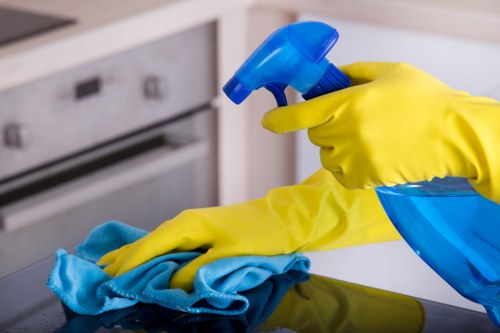
Communal area cleaning is one of the most important services for keeping shared buildings pleasant, hygienic, and welcoming. Whether the property is a residential block, apartment complex, mixed-use building, or managed estate, the condition of hallways, lobbies, stairwells, lifts, and shared corridors directly affects how people feel about the space. A clean communal environment does more than look good; it supports health, reduces complaints, and helps preserve the value of the property.
In busy buildings, shared spaces are used every day by residents, visitors, delivery personnel, and maintenance teams. That means dirt, dust, fingerprints, litter, and bacteria accumulate quickly. Without consistent communal area cleaning, these spaces can begin to feel neglected, and in some cases, they may even become unsafe. This is why property managers, landlords, and residents increasingly recognize the value of structured cleaning routines and professional attention.
From an SEO perspective, people searching for communal area cleaning are often looking for a service that improves presentation, hygiene, and compliance at the same time. They want practical cleaning schedules, reliable standards, and clear results. That is exactly why the topic matters so much: shared areas are the first impression of a building, and first impressions are difficult to change.
Why Communal Area Cleaning Matters So Much
Shared spaces are high-traffic zones, and high traffic means faster wear and contamination. A proper communal area cleaning routine helps control dust, remove litter, reduce odours, and maintain a polished appearance throughout the building. In everyday life, this can make the difference between a property that feels cared for and one that feels forgotten.
There are also clear practical and financial benefits. Regular cleaning helps protect surfaces, flooring, and fixtures from long-term damage. Dirt buildup on tiles, carpets, handrails, and door frames can cause premature deterioration, which often leads to more expensive repairs or replacements. In this way, communal area cleaning is not just about cleanliness; it is a smart maintenance decision.
Another major reason communal cleaning matters is resident satisfaction. People want to live in places that feel safe, tidy, and respectful. Shared hallways, bins areas, and stairwells can quickly influence opinion. When these areas are spotless, residents are more likely to view the property management as efficient and attentive. Clean communal spaces support trust.
Common Areas That Need Regular Attention
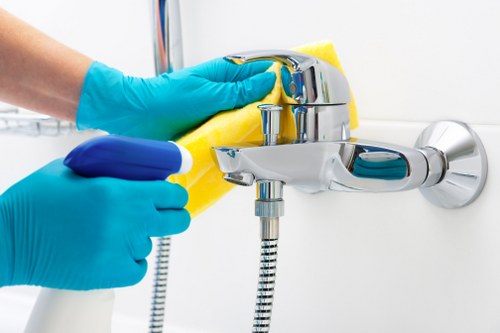
Every building is different, but most communal area cleaning schedules include a similar set of spaces. These areas usually receive the highest foot traffic and require repeated cleaning throughout the week, or even daily in larger developments.
Common communal spaces include:
- Entrance halls and reception areas
- Staircases and landings
- Lift interiors and lift doors
- Corridors and shared walkways
- Mailbox and parcel areas
- Bin rooms and waste storage points
- Shared laundry rooms
- Bike stores and storage rooms
- Communal windows, glass panels, and door handles
Each of these areas has different cleaning requirements. For example, a lobby may need polishing and dusting, while a bin room may require deodorising, sanitising, and safe waste management. A good communal area cleaning plan takes these variations into account and assigns the right tasks to the right schedule.
The Benefits of Professional Communal Area Cleaning
A cleaner environment for everyone
Professional cleaning teams bring consistency, structure, and expertise to the process. They know how to handle high-traffic areas, how to clean safely, and how to maintain standards over time. This is especially important for larger properties where a casual or irregular approach simply is not enough.
Professional communal area cleaning also supports better hygiene. Shared touchpoints such as lift buttons, bannisters, and door handles can collect germs rapidly. A trained team can target these surfaces using appropriate cleaning products and methods, helping to reduce the spread of dirt and contamination.
There is also a visual advantage. A professionally cleaned communal area looks brighter, more spacious, and more inviting. That visual difference matters, especially for residents, guests, and potential buyers or tenants. A well-maintained shared space helps the entire property appear more desirable.
Key advantages at a glance
- Improved hygiene and sanitation
- Better first impressions
- Longer-lasting surfaces and finishes
- Reduced complaints from residents
- Safer shared environments
- More efficient property management
What a Good Cleaning Schedule Looks Like
An effective communal area cleaning schedule depends on usage, property size, and resident expectations. A small building may only need a few weekly visits, while a large apartment block may require daily attention. The goal is to match the service to the level of foot traffic and the specific needs of the property.
Most high-quality schedules include daily, weekly, and periodic tasks. Daily tasks may cover sweeping, vacuuming, litter removal, touchpoint wiping, and front entrance maintenance. Weekly tasks may include deeper dusting, polishing, washing down walls, and refreshing bin areas. Periodic tasks may cover high-level cleaning, machine scrubbing, and seasonal deep cleans.
A strong schedule should also remain flexible. For example, bad weather may increase dirt at entrances, while holiday periods may lead to more visitors and more rubbish. A responsive communal area cleaning provider can adjust the plan to keep standards high no matter what happens.
Example task breakdown
- Inspect the area for spills, debris, and hazards.
- Remove visible litter and waste.
- Vacuum carpets and sweep hard floors.
- Wipe down handrails, switches, and door handles.
- Clean glass, mirrors, and polished surfaces.
- Sanitise high-touch areas.
- Check bin storage and deodorise if needed.
- Report maintenance issues or damage.
Communal Area Cleaning and Health Standards

Shared buildings need more than visual tidiness. They need hygienic conditions that support everyday wellbeing. Communal area cleaning plays an important role in limiting germs, allergens, and unpleasant odours. Dust and debris can affect air quality, especially in enclosed corridors and stairwells. Regular cleaning helps reduce these problems and create a healthier environment for residents.
In many properties, communal spaces also include surfaces that are touched repeatedly throughout the day. Because of this, strong hygiene practices are essential. Door handles, lift controls, intercoms, and railings should be cleaned regularly with suitable products. When these tasks are handled properly, the risk of cross-contamination can be lowered significantly.
Clean shared spaces encourage cleaner habits. When residents see their surroundings being maintained properly, they are often more likely to respect the building, dispose of waste correctly, and keep their own actions tidy. That positive cycle can make a major difference in the long-term condition of the property.
How Communal Area Cleaning Improves Property Value
Appearance influences perception
Property value is influenced by many factors, but presentation remains one of the most visible. If a potential buyer, tenant, or visitor walks through a building and sees a spotless lobby, clean stairwells, and fresh-smelling corridors, they are more likely to assume the property is managed well. That perception often translates into better interest and stronger retention.
Regular communal area cleaning also helps prevent visible wear. Floors that are kept free from grit last longer. Painted surfaces that are dusted and wiped down stay brighter. Lift interiors and glass panels that are properly maintained continue to look premium. In competitive rental or sales markets, these details matter.
For managing agents and landlords, investing in communal area cleaning is a straightforward way to protect an asset. It is often much cheaper to maintain a space consistently than to allow it to deteriorate and then spend heavily on restoration. Cleanliness is not a cosmetic extra; it is part of long-term asset care.
Why presentation matters in shared buildings
- Improves tenant and buyer confidence
- Reduces visible damage and staining
- Supports higher occupancy appeal
- Strengthens the reputation of the building
- Helps maintain a professional atmosphere
Choosing the Right Communal Area Cleaning Provider
Not every cleaning service offers the same level of quality. When choosing a provider for communal area cleaning, it is important to look for reliability, flexibility, and attention to detail. A good provider should understand the unique challenges of shared residential and commercial properties and should be able to work with minimal disruption.
Look for teams that offer clear schedules, trained staff, and responsive communication. They should be able to adapt to the layout of the building, the frequency of use, and any special concerns such as access control, allergy-sensitive environments, or waste handling requirements. Experience matters because communal spaces often involve more than basic tidying.
It is also useful to check whether the provider uses appropriate equipment and cleaning products. Vacuum systems, microfiber tools, floor care machines, and safe disinfectants can all improve results. The best communal area cleaning providers focus on both efficiency and safety, making sure every visit adds value.
Questions to ask before hiring
- What is included in the standard cleaning specification?
- How often are communal areas serviced?
- Can the schedule be adjusted for busy periods?
- Are cleaning teams trained for high-touch hygiene?
- How are issues or maintenance concerns reported?
- What quality checks are used to maintain standards?
Best Practices for Effective Communal Area Cleaning
Consistency is the foundation
Successful communal area cleaning depends on routine. When tasks are performed regularly, small problems are caught early and spaces remain easier to maintain. This prevents buildup and avoids the cycle of neglect that can make shared areas look tired very quickly.
Another best practice is using a clear specification. Each area should have a defined cleaning routine so nothing is missed. This is especially important in buildings with multiple floors or mixed-use spaces. A written plan helps ensure accountability and keeps standards consistent across the entire property.
Communication is equally important. Residents and managers should be able to flag issues such as spills, blocked access routes, broken lighting, or overflowing bins. A responsive communal area cleaning service will not only clean but also observe, report, and help maintain order across the building.
Simple tips for stronger results
- Use checklists for each area
- Prioritise high-touch surfaces
- Schedule deeper cleaning at regular intervals
- Inspect for hazards during every visit
- Track recurring issues and address them early
- Match products to surface type for safer cleaning
Seasonal Challenges in Communal Area Cleaning
Different seasons create different challenges for shared spaces. In winter, mud, rainwater, and salt can be tracked into entrances and corridors. In spring, pollen and dust may become more noticeable. During summer, odours and waste management issues can increase, especially in warmer bin rooms. Autumn often brings leaves and outdoor debris into lobbies and walkways.
These seasonal changes mean communal area cleaning should never be static. A flexible service can adapt the frequency of entrance mat cleaning, floor care, and bin area sanitisation based on weather and usage. This helps keep the environment clean and comfortable all year long.
Property managers who plan for seasonal changes often experience fewer complaints and better long-term results. Proactive maintenance is always easier than reactive cleanup. When cleaning teams anticipate seasonal issues, they can stay ahead of mess rather than chase it.
The Role of Residents in Maintaining Shared Spaces
Although professional communal area cleaning is essential, residents also play a role in keeping shared spaces tidy. Respectful use of communal areas helps reduce avoidable mess and keeps cleaning standards effective. Simple habits such as closing doors properly, disposing of rubbish in the correct bins, and avoiding clutter in corridors can have a major impact.
Resident cooperation works best when expectations are clear. Notices, building policies, and shared responsibility all help support cleaner spaces. If a building has a good cleaning service but poor resident habits, the results will be limited. If both sides work together, the property will remain cleaner for longer.
Shared spaces are, by definition, shared. That means everyone benefits when the environment is maintained properly. A thoughtful communal area cleaning arrangement works best when supported by considerate behaviour from those who use the building every day.
Helpful resident habits
- Do not leave rubbish in hallways
- Report spills or hazards quickly
- Keep bikes, shoes, and boxes out of walkways
- Respect cleaning times and access instructions
- Use waste and recycling areas correctly
Why Communal Area Cleaning Should Never Be Treated as an Afterthought
Some property owners assume communal cleaning can be handled casually or only when problems become visible. In reality, that approach almost always costs more in the long run. Dirt spreads quickly, and once shared spaces begin to look neglected, recovering a good standard takes more time and effort.
Regular communal area cleaning is a preventative measure. It protects the building, supports residents, and reduces pressure on management teams. It also helps prevent complaints, which is valuable in any multi-occupancy property. When standards are maintained consistently, fewer issues escalate.
Perhaps most importantly, a clean shared environment reflects pride in the property. People notice whether a building is looked after. That attention to detail sends a strong message about care, professionalism, and responsibility. If you want a building to feel welcoming and well-run, communal cleaning must remain a priority.
Final Thoughts on Reliable Communal Cleaning
Communal area cleaning is about much more than removing dust and litter. It supports health, safety, property value, and resident satisfaction all at once. With the right schedule, the right team, and the right attention to detail, shared spaces can remain fresh, attractive, and easy to live with every day.
Whether the building is small or large, residential or mixed-use, consistent communal area cleaning delivers visible and lasting results. It reduces the risk of damage, improves hygiene, and creates a better experience for everyone who uses the space. In a world where shared environments are under constant pressure, that kind of reliability is essential.
If you are responsible for a property and want cleaner, safer, more professional communal spaces, now is the time to act. Contact us today to discuss your requirements, or book your service now to keep your building looking its best all year round.