Domestic Cleaning: Creating a Healthier, Fresher, and More Comfortable Home
Domestic cleaning is more than a weekly chore; it is one of the most effective ways to maintain a healthy, organized, and welcoming living space. Whether you live in a busy family home, a shared apartment, or a quiet household, regular domestic cleaning helps reduce dust, grime, clutter, and allergens while making daily life more enjoyable. A clean home also supports better mental clarity, improves indoor air quality, and creates a sense of calm that many people value after a long day.
Today, domestic cleaning has evolved from simple dusting and mopping into a more thoughtful approach to household care. Many homeowners now look for efficient methods, eco-friendly products, and professional domestic cleaning services that save time without sacrificing quality. From kitchens and bathrooms to bedrooms and living areas, every room benefits from a routine that is consistent, practical, and tailored to the needs of the household.
In this article, we explore the many benefits of domestic cleaning, the essential tasks involved, the best cleaning practices for different rooms, and how to keep a home spotless without feeling overwhelmed. Whether you want to improve your cleaning routine or are considering professional help, you will find useful insights that make domestic cleaning easier and more effective.
Why Domestic Cleaning Matters for Every Home
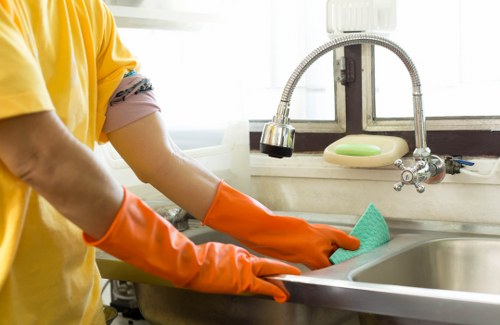
Domestic cleaning is not just about appearances. A tidy home can have a direct impact on health, comfort, and even productivity. Dust, pet dander, mold, and bacteria can accumulate quickly in occupied spaces, especially in areas with high traffic. Regular domestic cleaning helps prevent these issues from becoming serious, which is especially important for children, older adults, and anyone with allergies or respiratory sensitivities.
Beyond health, a clean home also helps create a more peaceful atmosphere. It is easier to relax in a space that feels fresh, organized, and cared for. This is one reason domestic cleaning is often linked to reduced stress levels and improved mood. When surfaces are clean and clutter is under control, everyday activities such as cooking, working from home, or entertaining guests become much smoother.
There is also a practical side to domestic cleaning. Regular care extends the life of furniture, flooring, appliances, and fixtures. By removing dirt before it builds up, homeowners can avoid damage, costly repairs, and premature replacement. In that sense, domestic cleaning is both a lifestyle choice and a smart investment in the property itself.
Core Areas Covered in Domestic Cleaning
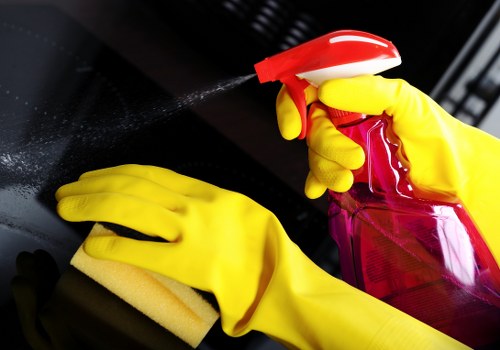
Effective domestic cleaning usually involves more than one task or room. A reliable routine covers all major areas of the home while paying attention to detail. The exact schedule may vary depending on household size, lifestyle, and whether the home includes pets or young children, but the core responsibilities are often similar.
Some of the most common domestic cleaning tasks include:
- Dusting furniture, shelves, skirting boards, and decorative surfaces
- Vacuuming carpets, rugs, and upholstery
- Mopping hard floors and removing sticky residue
- Cleaning kitchen counters, sinks, and appliances
- Scrubbing bathrooms, toilets, showers, and tiles
- Emptying bins and replacing liners
- Wiping mirrors, glass, and frequently touched surfaces
- Changing bed linen and refreshing bedrooms
Some households also include laundry support, inside-window cleaning, and organization tasks as part of domestic cleaning. The key is consistency. Even small, repeated efforts can make a big difference when done regularly. A strong cleaning routine keeps the home manageable and prevents chores from becoming overwhelming.
Domestic Cleaning Room by Room
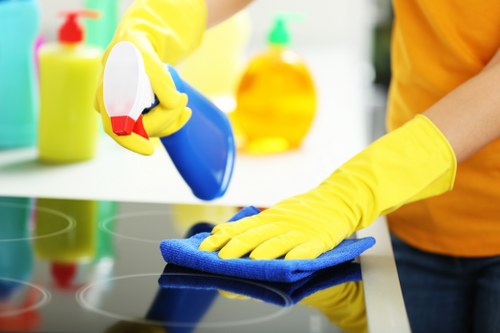
One of the best ways to approach domestic cleaning is to divide the home into zones. Room-by-room cleaning allows you to focus on specific needs rather than trying to handle everything at once. This method is especially useful for larger homes or busy households where time is limited.
In the kitchen, domestic cleaning should prioritize hygiene. This is where food is prepared, so surfaces must be sanitized regularly. Wipe down counters, clean cabinet fronts, scrub sinks, degrease hobs, and disinfect handles and switches. Appliances such as microwaves, ovens, and refrigerators also need attention because spills and crumbs can easily attract odors and pests.
The bathroom requires deep attention due to moisture, soap scum, and bacteria. Domestic cleaning here should include toilets, basins, taps, mirrors, showers, bathtubs, and tile grout. Keeping ventilation strong is also important because it helps reduce dampness and mold growth. In bedrooms, focus on dusting, vacuuming, mattress care, and changing bedding to create a cleaner and more restful environment.
Living Room Cleaning for a More Inviting Space
The living room is often the heart of the home, making it a central focus of domestic cleaning. This space tends to collect dust quickly because it is used frequently and often contains fabric furniture, electronics, books, and decorative items. Cleaning should include vacuuming sofas and rugs, dusting shelves and surfaces, polishing tables, and wiping remote controls and light switches.
Paying attention to soft furnishings can make a noticeable difference. Curtains, cushions, throws, and upholstery should be cleaned according to their care instructions. These items absorb dust and odors over time, so refreshing them regularly helps the whole room feel cleaner. If pets are part of the household, more frequent vacuuming may be necessary to control hair and dander.
It also helps to keep clutter under control in the living room. Domestic cleaning becomes easier when items have a designated place. Storage baskets, shelves, and cabinets can reduce visual mess and make daily tidying simpler. A neat living space is more comfortable for family use and more welcoming for guests.
Kitchen Domestic Cleaning Tips That Make a Big Difference

Kitchen cleaning is one of the most important parts of domestic cleaning because it directly affects food safety. Start by clearing surfaces and removing crumbs, grease, and spills. Use suitable cleaners for countertops, stainless steel, and tiled backsplashes, and avoid mixing products that could create harmful fumes. A consistent routine prevents buildup and makes the space easier to maintain.
Strong kitchen hygiene habits include wiping surfaces after cooking, cleaning spills immediately, and washing dishes or loading the dishwasher promptly. These small actions stop bacteria and odors from lingering. It is also wise to disinfect sink areas and handles, since they are touched often throughout the day.
Appliances deserve special attention during domestic cleaning. The oven may need deep cleaning to remove burnt residue, while the refrigerator should be checked for expired food and sticky shelves. The microwave, toaster, and kettle can also accumulate dirt that affects appearance and performance. A clean kitchen feels more efficient, organized, and pleasant to use.
Simple Kitchen Cleaning Priorities
Prioritize the following tasks when cleaning the kitchen:
- Clear and wipe counters after every meal preparation
- Clean the sink and taps daily
- Remove bin waste before odors develop
- Degrease stovetops and nearby surfaces weekly
- Deep clean appliances on a regular schedule
Bathroom Domestic Cleaning for Hygiene and Freshness
Bathroom domestic cleaning requires special care because this room collects moisture and bacteria faster than most others. A routine should address toilets, sinks, baths, showers, mirrors, and floors. It is important to use the correct products for each surface to avoid damage and achieve the best results. For example, a limescale remover may be useful on taps and shower screens, while a disinfectant cleaner works well on toilets and high-touch areas.
Regular cleaning of the bathroom helps prevent soap residue, mildew, and unpleasant smells. Wiping down wet surfaces after use can reduce buildup dramatically. Good airflow is also essential, so opening a window or using an extractor fan supports a cleaner and drier environment. When moisture is kept under control, it becomes easier to maintain the room over time.
For deeper bathroom domestic cleaning, focus on grout, drains, shower doors, and hidden corners. These areas often collect grime that is not noticeable at first glance. Keeping a bathroom fresh can feel like a challenge, but a few consistent habits make a large difference. This is one of the clearest examples of how domestic cleaning protects both comfort and hygiene.
Bathroom Cleaning Checklist
- Clean and disinfect the toilet
- Scrub the sink, taps, and drain area
- Remove soap scum from tiles and shower walls
- Polish mirrors and glass surfaces
- Mop floors and dry them properly
- Replace towels and empty bins regularly
Bedrooms and Bedding: An Important Part of Domestic Cleaning
Bedrooms deserve regular domestic cleaning because this is where people spend many hours each day. A clean bedroom supports better sleep, less dust exposure, and a calmer atmosphere overall. Start by dusting shelves, bedside tables, lamps, and skirting boards. Vacuum carpets and under the bed to remove hidden dust and debris. If the bedroom has hard flooring, mop it as part of the routine.
Bedding is another essential element. Sheets, pillowcases, and duvet covers should be washed regularly to remove sweat, skin cells, and dust mites. Mattresses can benefit from vacuuming, airing, and occasional stain treatment. Pillows and duvets should also be refreshed according to manufacturer instructions. These steps are especially important for allergy sufferers and households that want a cleaner sleeping environment.
Good domestic cleaning in bedrooms is not only about tidiness; it is about rest and well-being. When clothing is stored neatly, clutter is minimized, and bedding feels fresh, the room becomes a more relaxing place to unwind. That sense of order can improve both comfort and daily routines.
Bedroom Cleaning Habits Worth Keeping
To make bedroom cleaning easier, consider these habits:
- Make the bed every morning
- Put away clothes instead of piling them on furniture
- Dust weekly and vacuum thoroughly
- Wash bedding on a regular schedule
- Keep bedside surfaces clear and simple
Choosing Between DIY and Professional Domestic Cleaning
Many homeowners do some domestic cleaning themselves, while others rely on professional support for busy periods or regular upkeep. Both options have advantages. DIY cleaning gives you full control over products, timing, and technique, and it can be cost-effective for smaller households. Professional domestic cleaning services, on the other hand, can save time and deliver more consistent results, especially in larger or more demanding homes.
Professional cleaning is often helpful when life becomes hectic, after a renovation, before moving in or out, or when a home needs a thorough reset. A trained cleaner typically brings experience, equipment, and an efficient system for tackling difficult jobs. This can be particularly valuable for deep cleaning kitchens, bathrooms, or properties that have not been cleaned in a while.
The best choice depends on your lifestyle and priorities. Some people prefer a mixed approach, handling everyday domestic cleaning themselves while booking professional support for occasional deep cleans. This balance can be practical and affordable while keeping the home in excellent condition.
Signs You May Need Professional Help
- You do not have enough time for regular cleaning
- Deep cleaning tasks keep getting postponed
- The home needs special attention after an event or renovation
- Allergy control requires more thorough dust removal
- You want a higher standard of cleanliness without added stress
Eco-Friendly Domestic Cleaning Practices
More households are now looking for greener ways to manage domestic cleaning. Eco-friendly cleaning practices reduce exposure to harsh chemicals and can be safer for children, pets, and people with sensitivities. They also help cut down on waste and environmental impact when chosen thoughtfully. Many effective cleaning routines can be built around simple ingredients, reusable cloths, and responsible product choices.
Microfiber cloths, washable mop heads, and refillable spray bottles are practical options for sustainable domestic cleaning. Vinegar, baking soda, and mild soap solutions can help with some tasks, though it is important to use them correctly and understand their limitations. Always test products on surfaces before applying them widely, especially on natural stone, wood, or delicate finishes.
Eco-friendly domestic cleaning does not mean compromising on results. In fact, many people find that a simpler product range makes cleaning more straightforward. Choosing concentrated formulas, reducing single-use wipes, and buying only what is necessary can help create a cleaner home and a cleaner approach to household care.
Benefits of Greener Cleaning Choices
- Reduced chemical exposure indoors
- Less waste from disposable products
- Better support for allergy-sensitive households
- More efficient use of cleaning supplies
- A cleaner and more sustainable routine
How Often Should Domestic Cleaning Be Done?
The ideal domestic cleaning schedule depends on the household, but some tasks should be done daily while others can be handled weekly or monthly. Daily cleaning often includes wiping kitchen surfaces, tidying clutter, washing dishes, and keeping bathrooms fresh. Weekly tasks usually include vacuuming, mopping, dusting, and cleaning bathrooms more thoroughly.
Monthly or seasonal domestic cleaning can focus on areas that are easy to overlook, such as behind furniture, inside cupboards, light fixtures, window tracks, and appliances. Seasonal cleaning is also a good time to declutter wardrobes, rotate bedding, and review household storage. These deeper tasks prevent buildup and keep the home in good condition all year round.
A schedule works best when it is realistic. Trying to do everything at once often leads to burnout. Instead, divide domestic cleaning into manageable sections and assign tasks across the week. Even a short routine performed consistently can produce excellent long-term results.
Suggested Cleaning Frequency
- Daily: dishes, surfaces, clutter control, quick bathroom touch-ups
- Weekly: vacuuming, mopping, dusting, bedding changes, bathroom cleaning
- Monthly: appliances, baseboards, deeper dusting, cupboards, hidden corners
- Seasonally: windows, wardrobe sorting, deep decluttering, detailed home refresh
Domestic Cleaning Tools and Products That Work Well
Having the right tools can make domestic cleaning more efficient and less tiring. Basic supplies often include microfiber cloths, a vacuum cleaner, mop, bucket, scrub brushes, sponges, and a good all-purpose cleaner. Depending on the home, you may also need glass cleaner, bathroom disinfectant, limescale remover, floor cleaner, and upholstery care products.
Quality matters. A durable vacuum with the right attachments can improve results on carpets, stairs, and hard floors. Microfiber cloths are especially useful because they trap dust effectively and can be washed and reused. A caddy or storage basket can keep all supplies organized so that domestic cleaning feels easier to start and finish.
Using the right product on the right surface also helps prevent damage. For example, wood floors may need a specific cleaner rather than a harsh all-purpose formula, while natural stone should not be treated with acidic solutions. Reading labels and following care instructions is part of smart domestic cleaning, especially in homes with a mix of surfaces and finishes.
Useful Tools to Keep on Hand
- Microfiber cloths
- Vacuum cleaner with attachments
- Mop and bucket
- Non-scratch scrub pads
- Glass and surface cleaners
- Disinfectant for bathrooms and kitchens
Time-Saving Domestic Cleaning Strategies
Many people want a clean home but struggle to find the time. The good news is that domestic cleaning can be made more efficient with a few simple strategies. One of the most effective methods is to clean little and often. Rather than waiting for mess to build up, handle small tasks as they appear. This prevents large, exhausting cleaning sessions later.
Another useful strategy is to clean from top to bottom and from one side of a room to the other. This avoids re-cleaning surfaces after dust or debris falls. Setting a timer can also help you stay focused and keep momentum. Even fifteen minutes of targeted domestic cleaning can make a visible difference if done consistently.
For busy households, involving everyone can be a game changer. Shared responsibility means fewer tasks fall on one person alone. Children can help with age-appropriate chores, while adults can divide rooms or weekly responsibilities. Domestic cleaning becomes far more manageable when it is treated as a shared household routine rather than a solo burden.
Practical Time-Saving Tips
- Put items back immediately after use
- Clean spills before they harden
- Use a weekly task list
- Keep supplies in one easy-to-reach place
- Work in short focused sessions
Final Thoughts on Domestic Cleaning
Domestic cleaning is one of the most valuable habits for keeping a home healthy, attractive, and functional. It supports hygiene, reduces stress, protects furnishings, and creates a better environment for everyday life. Whether you prefer to clean your home yourself or want professional support, a structured approach makes the process easier and more rewarding.
The most successful domestic cleaning routines are realistic, consistent, and suited to the home’s specific needs. By focusing on high-use areas such as kitchens, bathrooms, bedrooms, and living spaces, you can maintain a standard of cleanliness that feels both manageable and effective. Small daily actions, combined with weekly and monthly tasks, deliver long-lasting results.
If you are ready to improve your home environment, now is the perfect time to take the next step. Book your service now or contact us today to make domestic cleaning easier, more efficient, and better suited to your lifestyle. A cleaner home truly does make life feel simpler, fresher, and more comfortable.