Deep Cleaning in Your Home: A Practical, Detailed Approach to a Healthier Space
Why Deep Cleaning in the Home Matters
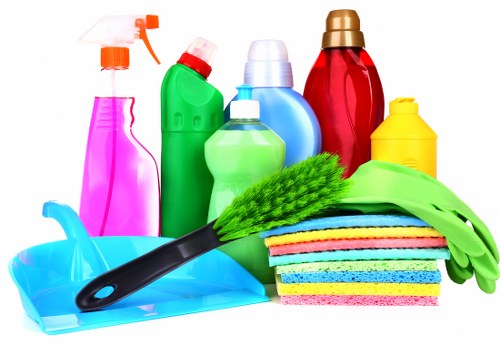
Deep cleaning in your home is more than a routine task; it is a focused process that reaches the hidden dust, grease, grime, and buildup that regular cleaning often misses. While everyday tidying keeps surfaces presentable, deep cleaning restores your space on a much deeper level, helping rooms look fresher, smell cleaner, and feel more comfortable.
Many homeowners start with a quick sweep or wipe-down and assume the job is done. However, dust collects behind furniture, soap scum hardens in bathrooms, and kitchen grease settles into corners over time. That is where deep cleaning in the home becomes essential. It targets neglected areas, improves hygiene, and can even make your living environment more welcoming for family and guests.
A cleaner home can also support better indoor air quality and reduce common allergens like dust mites and pet dander. Deep cleaning is especially valuable for households with children, older adults, or anyone sensitive to dust and mold. When done consistently, it can make a noticeable difference in comfort and health.
What Deep Cleaning in a House Actually Includes
Unlike standard cleaning, deep cleaning in a house focuses on high-detail tasks that require extra time and attention. It usually involves moving beyond visible surfaces and addressing the areas that accumulate hidden dirt. This can include baseboards, vents, light switches, door frames, appliance interiors, and hard-to-reach corners.
In kitchens, deep cleaning might mean degreasing cabinet fronts, scrubbing inside the oven, sanitizing sinks, and wiping behind appliances. In bathrooms, it often includes descaling showerheads, removing soap residue, cleaning grout, and disinfecting high-touch areas. In bedrooms and living spaces, it may include vacuuming under furniture, dusting ceiling fans, and washing soft furnishings.
To keep expectations realistic, it helps to think of deep cleaning as a detail-focused reset rather than a quick refresh. The goal is to restore order, improve cleanliness, and eliminate buildup that ordinary routines leave behind.
Common areas included in deep cleaning
- Kitchen appliances, counters, and cabinet surfaces
- Bathroom tiles, fixtures, and mirrors
- Baseboards, trim, and door frames
- Floors, corners, and under furniture
- Switch plates, handles, and other touchpoints
Benefits of Deep Cleaning in the House
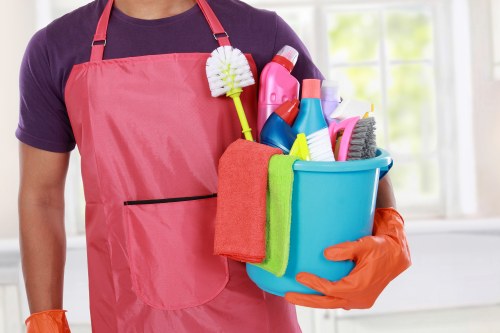
There are many reasons people invest time in deep cleaning in the house. One of the biggest benefits is the visible transformation. A room can look dramatically different once stains, grime, and dust are removed from overlooked surfaces. But the value goes far beyond appearance.
Deep cleaning can help reduce allergens and contaminants that build up over time. When dust is cleared from vents, carpets, upholstery, and hidden spaces, the air can feel lighter and fresher. This is especially helpful during seasonal changes or in homes with pets.
Another advantage is maintenance. Deep cleaning can extend the life of appliances, flooring, countertops, and fixtures by preventing stubborn buildup from becoming permanent damage. In other words, regular attention now can help avoid costly repairs later.
Key benefits at a glance
- Improved hygiene and sanitation
- Reduced dust, allergens, and odors
- Better appearance and organization
- Longer lifespan for surfaces and appliances
- A more comfortable and inviting living space
When to Schedule Deep Cleaning in Your Home
There is no single rule for how often deep cleaning in your home should be done, because every household is different. Still, most homes benefit from a thorough cleaning at least a few times a year. Some families choose seasonal deep cleaning, while others schedule it before major events, after renovations, or when moving in or out of a property.
Certain signs can tell you that your home is ready for a deeper reset. If dust returns quickly after cleaning, if odors linger, or if grease and grime are harder to remove, it may be time to go beyond routine tasks. A buildup of clutter can also make deep cleaning feel overdue, especially in busy households.
Deep cleaning in the home is also useful after illness, during allergy season, or after periods of heavy activity such as holidays or hosting guests. These moments often create extra mess and require a more focused cleaning effort to get everything back to normal.
Helpful timing checklist
- Every season for maintenance
- Before or after major events
- After moving in or moving out
- Following home remodeling or repairs
- When visible buildup becomes difficult to manage
How to Prepare for Deep Cleaning in the House

Preparation is one of the easiest ways to make deep cleaning in the house more efficient. A little planning can save time, reduce stress, and help you focus on the most important tasks. Start by decluttering each room so that surfaces are easier to clean and floors are easier to access.
Gather your supplies before you begin. Depending on the areas you want to clean, you may need microfiber cloths, a vacuum cleaner, a mop, disinfectant, glass cleaner, a scrub brush, gloves, and storage bins for organizing items. If you are tackling kitchen or bathroom grime, choose products that are safe for the surfaces in your home.
It also helps to clean from top to bottom and from left to right in each room. That way, dust and debris fall downward and can be removed later. This method keeps the process efficient and prevents re-cleaning already finished areas.
Preparation steps
- Remove clutter and sort items into keep, donate, and discard piles
- Open windows if weather allows for fresh air circulation
- Collect all cleaning products and tools in one place
- Test any product on a small hidden area first
- Create a room-by-room plan to stay organized
Room-by-Room Deep Cleaning in the Home
A room-by-room approach makes deep cleaning in the home easier to manage and more effective overall. Each space has its own cleaning priorities, so it helps to break the job into smaller sections rather than treating the home as one large task.
In the kitchen, focus on grease, food residue, and appliance buildup. Wipe cabinet doors, clean the microwave, scrub the sink, and remove crumbs from drawer edges. If possible, move small appliances and clean behind them. The kitchen is often the busiest area in the home, which means it usually needs the most detailed attention.
Bathrooms require special care because moisture can create soap scum, mildew, and mineral deposits. Clean around faucets, scrub tile grout, disinfect handles, and polish mirrors. Paying attention to corners and edges can make a big difference in how fresh the room feels.
Living room and bedroom priorities
- Dust shelves, electronics, and décor
- Vacuum sofas, rugs, and under furniture
- Wash throw blankets and pillow covers
- Clean window sills, blinds, and baseboards
- Refresh mattresses, curtains, and other soft surfaces
Kitchen Deep Cleaning Tips That Make a Big Difference
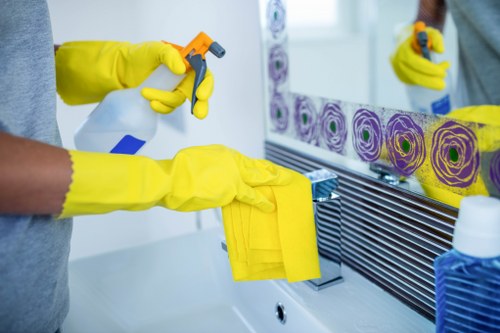
The kitchen is one of the most important spaces for deep cleaning in the home. Because it handles food preparation, spills, and constant activity, it can collect grime quickly. A detailed kitchen clean should focus on sanitation as well as appearance.
Start by emptying the sink area and wiping down countertops. Then move to the stove, oven, and backsplash, where grease often builds up over time. If your oven has strong residue, let a suitable cleaner sit long enough to loosen baked-on debris before scrubbing. Cleaning cabinet handles and appliance buttons is also important because these areas are touched frequently.
Do not forget hidden kitchen zones such as under the sink, inside trash bins, and behind larger appliances. These spots can trap odors and crumbs, which affect the overall cleanliness of the room. A thorough kitchen deep cleaning leaves the space both more hygienic and more pleasant to use.
Kitchen focus points
- Degrease stovetops and range hoods
- Sanitize sinks and faucet handles
- Clean inside the microwave, oven, and refrigerator shelves
- Wipe cabinet faces and toe kicks
- Vacuum and mop beneath movable appliances
Bathroom Deep Cleaning for a Fresher, Cleaner Space
Bathrooms need consistent attention, and deep cleaning in the home should always include them. These rooms are exposed to moisture daily, which means soap buildup, mold, and limescale can develop quickly. A detailed bathroom clean helps restore shine and improve sanitation.
Begin with the shower, tub, and sink. Use the right cleaner for tile, porcelain, glass, or stone, and focus on removing buildup from corners, seams, and drains. Grout lines often hold more dirt than surfaces in plain sight, so giving them extra attention can greatly improve the look of the room.
Next, disinfect the toilet area, including the base, seat hinges, and exterior surfaces. Finish by polishing mirrors, cleaning cabinets, and wiping light switches or towel bars. Deep cleaning is especially effective in bathrooms when combined with proper ventilation, which helps control moisture and prevent future buildup.
Bathroom cleaning essentials
- Remove soap scum from glass and tile
- Descale faucets and showerheads
- Disinfect high-touch areas
- Scrub grout and corners
- Empty and organize medicine cabinets and drawers
Living Areas, Bedrooms, and Hidden Spots
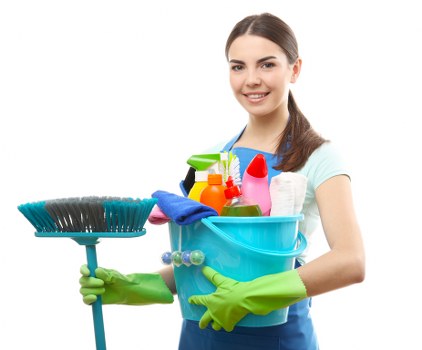
Living rooms and bedrooms may seem clean at first glance, but they often hold dust in soft surfaces and hidden spaces. Effective deep cleaning in the home means checking beyond what is immediately visible. This includes under beds, behind sofas, around window tracks, and on top of ceiling fans.
Vacuum upholstery and rugs thoroughly, especially in seams and along edges. Dust picture frames, lamps, blinds, and shelves. Wash bedding, pillow protectors, and other removable fabrics to reduce dust buildup and improve freshness. If you have pets, pay extra attention to hair around furniture legs and under cushions.
Hidden spots matter because they can quietly affect the overall condition of the room. Even if a space looks tidy, dust and allergens may still accumulate in corners and behind bulky furniture. That is why deep cleaning should be done carefully and systematically.
Often-missed areas
- Behind and beneath beds, couches, and chairs
- Baseboards and door frames
- Ceiling fans, vents, and light fixtures
- Window sills and tracks
- Closet floors and storage corners
Deep Cleaning in the Home: Tools and Products That Help
The right tools can make deep cleaning in the home much easier and more effective. While you do not need a long list of specialty products, having the essentials on hand will help you handle most situations. Microfiber cloths are excellent for dusting and wiping, while scrub brushes are useful for grout, sinks, and corners.
A vacuum with attachments can reach furniture crevices, baseboards, and vents. A mop with a washable head works well for hard floors, and a handheld brush is useful for detailed tasks. For surfaces that need extra sanitation, choose cleaners that match the material and follow label instructions carefully.
Many people prefer to keep a simple system of products for everyday use and deeper jobs. For example, you might use one cleaner for glass, another for grease, and a third for disinfecting bathrooms. The goal is not to use more products, but to use the right products efficiently.
Useful cleaning tools
- Microfiber cloths
- Vacuum with hose attachments
- Scrub brushes and sponges
- Mop and bucket
- Disinfectant and surface-safe cleaners
Time-Saving Strategies for Deep Cleaning in the House
Many people delay deep cleaning in the house because it feels time-consuming. The good news is that smart strategies can make the process more manageable. One effective method is to divide the work into short sessions rather than trying to complete everything in one day.
Another useful strategy is to focus on high-impact areas first. Kitchens, bathrooms, entryways, and high-traffic living spaces often make the biggest difference when cleaned well. Once those areas are done, the home will already feel noticeably fresher.
Using a repeatable routine also saves time. If you clean the same areas in the same order each time, the process becomes more efficient and less overwhelming. Over time, deep cleaning becomes less about effort and more about consistency.
Simple efficiency tips
- Work one room at a time
- Set a timer for focused cleaning blocks
- Start with top surfaces before floors
- Keep supplies together in a portable caddy
- Repeat the same sequence each cleaning day
When Professional Deep Cleaning Services Make Sense
There are times when professional help is the best option for deep cleaning in the home. If your schedule is packed, if a room has heavy buildup, or if you want a reset before an important event, experienced cleaners can handle the work efficiently. Professional support may also be useful after renovations, during move-in or move-out situations, or when a home has not been cleaned thoroughly in a long time.
Professionals often bring specialized tools, stronger equipment, and a systematic approach that can save time and deliver excellent results. They may also reach areas that are difficult to access with standard household supplies. For many homeowners, this is a practical way to maintain high standards without adding stress.
Whether you choose to do it yourself or hire help, the important part is getting the home back to a clean and comfortable state. Book your service now if you want a fresh start, or schedule regular support to keep your space consistently maintained.
Reasons to consider professional help
- Limited time or physical ability
- Heavy grease, dust, or staining
- Pre-event preparation
- Move-in or move-out cleaning needs
- Desire for a more thorough result
Maintaining the Results After Deep Cleaning
Once deep cleaning in the home is complete, the next step is preserving the results. A good maintenance routine helps reduce how often major cleanups are needed. Small habits, done consistently, can keep your home looking and feeling fresh much longer.
Daily tidying, weekly surface cleaning, and monthly detail checks can prevent buildup from returning too quickly. For example, wiping kitchen counters after meals, cleaning bathroom sinks regularly, and vacuuming high-traffic areas can all make a big difference. The more consistent your routine, the easier future deep cleaning becomes.
Think of maintenance as the bridge between major cleaning sessions. It protects your effort, supports a cleaner environment, and helps your home stay inviting. If you want a lasting improvement, contact a trusted cleaning professional and Contact us today to make the next step easier.
Final Thoughts on Deep Cleaning in the Home
Deep cleaning in the home is one of the most effective ways to refresh your living space, improve hygiene, and tackle buildup that daily routines often overlook. From kitchens and bathrooms to living rooms and bedrooms, every area benefits from careful attention and a structured plan.
Whether you are preparing for an event, refreshing your space seasonally, or simply wanting a cleaner environment, deep cleaning offers clear value. It can enhance comfort, support better indoor air quality, and create a more organized atmosphere throughout the house. With the right tools, timing, and routine, deep cleaning becomes a practical part of home care rather than a stressful chore.
If your home is ready for a reset, take the next step and Book your service now. A cleaner home starts with a single decision, and a well-done deep cleaning can make that decision feel worthwhile immediately.